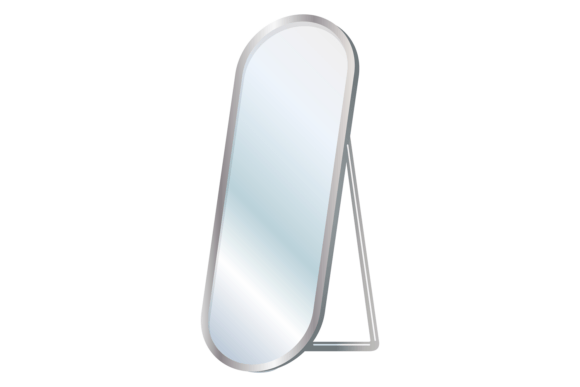
Wardrobe Mirror Stand: A Practical Guide for House Interior Design
In the realm of residential furniture, the wardrobe mirror stand occupies a unique niche. It serves as a functional bridge between storage solutions and personal grooming spaces. For homeowners and interior designers alike, selecting the right piece involves more than just aesthetic preference; it requires an understanding of spatial dynamics, material durability, and lifestyle compatibility. Whether you are furnishing a new apartment or refreshing an existing bedroom, evaluating this specific type of furniture is a critical step in achieving a cohesive house interior design.
Defining the Wardrobe Mirror Stand
A wardrobe mirror stand is a freestanding unit designed to hold a full-length or three-quarter length mirror, often integrated with or attached to a wardrobe structure. Unlike wall-mounted mirrors that require drilling and permanent installation, these stands offer portability and flexibility. In professional design contexts, such items are frequently visualized as house interior decorative furniture isolated on white background to allow architects and clients to assess proportions without environmental distractions. However, in a real-world setting, the piece must interact with lighting, flooring, and surrounding cabinetry.
These units typically consist of a sturdy base, a vertical support frame, and the glass panel itself. Some models feature built-in shelving, hooks for robes, or even LED lighting strips. The term "stand" implies independence from the wall, though many designs include anti-tip mechanisms or lean-back configurations for stability. Understanding this definition is the first step in determining if it fits your specific spatial requirements.
Reasons to Consider a Freestanding Solution
There are several compelling reasons why someone might choose a wardrobe mirror stand over other options. The primary driver is often flexibility. Renters, for instance, cannot always modify walls to hang heavy mirrors. A stand allows for immediate setup and easy relocation if the tenant moves or decides to rearrange the room layout. Additionally, for those who enjoy changing their decor seasonally, a movable mirror stand facilitates quick updates to the room's focal points.
Another significant factor is the enhancement of perceived space. A well-placed full-length mirror reflects light and depth, making a compact bedroom feel larger and airier. When integrated into a house interior design plan, the stand can act as a visual anchor, drawing the eye and creating a sense of order. Furthermore, the availability of digital assets like transparent PNGs or SVG files for these products allows designers to overlay them onto floor plans accurately, ensuring the physical dimensions align with the available square footage before purchase.
Benefits and Tradeoffs
The benefits of incorporating a wardrobe mirror stand into a home are multifaceted. Functionally, it provides a dedicated area for checking outfits, which is essential for daily routines. Aesthetically, it adds a layer of sophistication, especially when crafted from high-quality materials like solid wood, brushed metal, or tempered glass. Many modern designs double as room dividers, helping to define zones in open-plan living spaces without obstructing light flow.
However, there are tradeoffs to consider. The most notable is the footprint. Unlike a wall-mounted mirror that utilizes vertical space exclusively, a stand occupies floor area. In very small rooms, this can contribute to clutter rather than alleviate it. Stability is another concern; while most stands are engineered to be secure, they are generally less stable than fixed installations, particularly in households with active children or pets. There is also the issue of cost; high-end decorative stands can be significantly more expensive than simple wall mirrors due to the complexity of their construction and the additional materials required for the base and frame.
Evaluation Criteria for Buyers
- Dimensions: Measure the height, width, and depth of the intended space. Ensure the stand does not block doorways or impede traffic flow.
- Material Durability: Assess whether the finish matches the expected wear and tear. Metal frames may scratch, while wooden bases may warp in humid environments.
- Mirror Quality: Check for distortion-free glass. Tempered glass is safer and more durable than standard plate glass.
- Assembly Requirements: Determine if the unit requires complex assembly or comes pre-assembled, which affects both cost and ease of setup.
Situations Where a Stand is a Strong Fit
A wardrobe mirror stand is an excellent choice for transitional living situations. If you are in a rental property where drilling holes is prohibited, this solution offers the functionality of a dressing station without violating lease agreements. It is also ideal for multi-purpose rooms, such as a guest room that occasionally doubles as a home office. The ability to move the mirror away during work hours and bring it back for guests enhances the room's versatility.
Furthermore, these stands are highly effective in rooms with irregular architecture. Corners that are too awkward for a flat wardrobe or walls that are uneven can pose challenges for mounted fixtures. A freestanding unit can be positioned to compensate for these architectural quirks, turning a potential dead space into a functional asset. For individuals who frequently reorganize their interiors, the mobility of the stand supports a dynamic approach to house interior design.
When Alternatives May Be Worth Considering
Despite their advantages, wardrobe mirror stands are not universally applicable. In extremely small bedrooms, the floor space consumed by the stand's base might outweigh the benefits. In such cases, a wall-mounted mirror or a mirror attached directly to the inside of a wardrobe door is a more space-efficient alternative. These options utilize vertical surface area without encroaching on the walking zone.
Additionally, if the primary goal is maximum security and permanence, a built-in solution is superior. For families with young children who might climb on furniture, a fixed mirror eliminates the risk of tipping. Similarly, in high-traffic areas where furniture is frequently bumped, a wall-mounted option is less likely to suffer damage. If budget is a primary constraint, simpler adhesive mirrors or tension-rod mirrors may provide the necessary reflection at a fraction of the cost of a decorative stand.
Practical Decision-Making Insights
To determine if a wardrobe mirror stand aligns with your goals, begin by auditing your current space. Lay out a tape measure on the floor to visualize the footprint of the stand. Consider the lighting conditions; a mirror placed opposite a window will maximize natural light, whereas one in a dark corner may require supplemental lighting. Think about your daily routine: do you need a mirror for quick checks, or do you require a large, detailed view for styling? The latter suggests a need for a higher-quality, distortion-free glass panel, which often correlates with a sturdier, more substantial stand.
It is also helpful to review product specifications carefully. Look for details regarding weight capacity and stability features. If you are viewing digital representations, such as house interior decorative furniture isolated on white background EPS, JPG, SVG, transparent PNG files, remember that these images remove context. They show the object clearly but do not convey how it interacts with shadows, textures, or ambient light in your specific room. Always request physical samples or detailed dimension guides when possible.
Ultimately, the decision rests on balancing aesthetics with utility. A wardrobe mirror stand can elevate a room's design and provide significant convenience, but only if it fits the physical constraints and lifestyle needs of the household. By weighing the benefits of mobility against the tradeoffs of floor space and stability, you can make an informed choice that enhances your living environment effectively.