Currently Unsupervised Calligraphy: A Deep Dive into Style, Utility, and Format
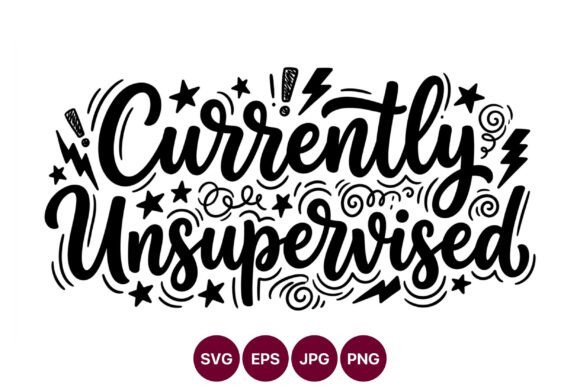
In the realm of graphic design and typographic art, the phrase "Currently Unsupervised" has evolved from a simple status indicator into a distinct aesthetic statement. When rendered as Currently Unsupervised Calligraphy, the concept transforms into a visual narrative that balances playful rebellion with sophisticated craftsmanship. This specific style, characterized by black and white calligraphic lettering surrounded by stars, lightning bolts, and swirling decorative lines, offers a unique solution for designers seeking high-contrast, versatile assets. Understanding the nuances of this artwork—its composition, technical specifications, and practical applications—is essential for professionals evaluating whether it fits their project requirements.
The Visual Language of High-Contrast Typography
The defining characteristic of Currently Unsupervised Calligraphy is its commitment to stark contrast. By utilizing a strict black and white palette, the design ensures maximum legibility and impact across various mediums. The lettering itself employs a calligraphic approach, suggesting movement and fluidity, which contrasts sharply with the rigid geometry often found in standard sans-serif or serif typefaces. However, this fluidity is not chaotic; it is structured around a central theme of dynamic energy.
Surrounding the text are symbolic elements: stars, lightning bolts, and swirling decorative lines. These are not merely decorative afterthoughts but integral components of the composition. The lightning bolts introduce a sense of sudden energy or disruption, while the stars add a touch of whimsy or aspiration. The swirling lines tie these disparate elements together, creating a cohesive frame that guides the viewer's eye toward the central message. This combination results in an artwork that feels both modern and timeless, capable of standing out in a crowded digital landscape without relying on color to convey meaning.
Technical Specifications and File Versatility
For designers and developers, the utility of an asset is often determined by its file formats and scalability. The Currently Unsupervised Calligraphy package addresses these needs comprehensively. The download includes a ZIP folder containing SVG, PNG, JPG, and EPS files. This multi-format approach is critical for ensuring the artwork performs well in different contexts.
- SVG (Scalable Vector Graphics): As a vector format, SVG allows the artwork to be scaled to any size without losing quality. This is particularly important for large-format prints or high-resolution displays where pixelation would be detrimental.
- EPS (Encapsulated PostScript): Another vector format, EPS is widely supported by professional printing software and design tools like Adobe Illustrator. It ensures that the sharp edges of the lightning bolts and the intricate swirls remain crisp during the print production process.
- PNG and JPG: These raster formats provide immediate usability for web projects, social media posts, and presentations where vector editing is not required. The high-contrast nature of the design ensures that even in compressed formats, the details remain visible.
The inclusion of 100% vector SVG and EPS files means that the artwork is future-proof. Whether a client needs a small icon for a mobile app or a massive banner for a trade show, the source files adapt seamlessly. This versatility reduces the need for multiple versions of the same asset, streamlining the workflow for creative teams.
Comparing Current Options in Decorative Lettering
When evaluating Currently Unsupervised Calligraphy, it is helpful to compare it with other available options in the market. The landscape of decorative typography is vast, ranging from minimalist line art to heavily textured, grunge-style graphics. Each category serves a different purpose, and understanding where this specific style fits can aid in making an informed decision.
Minimalist vs. Ornate Styles
On one end of the spectrum lies minimalist typography, which strips away all non-essential elements to focus solely on the text. While effective for clean, corporate branding, minimalist styles often lack the personality and visual interest that Currently Unsupervised Calligraphy provides. On the other end are overly ornate, baroque-style designs that can sometimes overwhelm the message they intend to support.
This specific calligraphic style strikes a balance. It retains the readability of the text while adding enough decorative flair—the stars and lightning bolts—to create a memorable visual identity. It is more engaging than pure minimalism but more structured than chaotic grunge art. For projects requiring a touch of attitude without sacrificing clarity, this middle ground is often the most effective choice.
Color-Dependent vs. Monochromatic Assets
Another key comparison point is the reliance on color. Many contemporary graphic assets depend on vibrant color palettes to convey emotion or brand identity. While colorful designs are excellent for marketing campaigns targeting youth demographics or lifestyle brands, they can present challenges when printed in black and white or when used in low-light environments.
The monochromatic nature of Currently Unsupervised Calligraphy eliminates these limitations. Because the design relies on high contrast rather than hue, it remains effective in grayscale reproductions, laser printing, and embossing processes. This makes it a robust alternative for clients who require flexibility in their output channels. It is a pragmatic choice for businesses that need a single asset to function across diverse media without the need for color separation or adjustment.
Decision Factors: When to Choose This Style
Selecting the right typographic asset requires careful consideration of the project's goals, audience, and medium. Currently Unsupervised Calligraphy is not a universal solution, but it excels in specific scenarios. Evaluating these factors will help determine if this resource aligns with your needs.
Ideal Use Cases
This style is particularly well-suited for projects that aim to communicate a sense of independence, creativity, or controlled chaos. The phrase "Currently Unsupervised" inherently suggests a break from routine or authority, making it an excellent fit for:
- Creative Agencies and Freelancers: Designers looking to signal availability or a shift in workflow status can use this as a profile header or signature element.
- Event Branding: Festivals, workshops, or pop-up events that emphasize freedom and self-expression benefit from the energetic lightning bolts and swirling lines.
- Apparel and Merchandise: The high-contrast vector format translates exceptionally well to t-shirts, stickers, and patches, where screen printing or vinyl cutting requires clear, bold lines.
- Digital Interfaces: Loading screens, error messages, or "maintenance mode" pages can utilize this artwork to keep users engaged with a visually interesting message.
Limitations and Tradeoffs
While versatile, there are situations where this style may not be the optimal choice. The decorative elements, while striking, can compete with other visual information if the layout is already dense. In formal corporate communications or legal documents, the playful nature of the stars and lightning bolts might undermine the seriousness of the content. Additionally, because the design is rooted in a specific aesthetic, it may not align with brands that prioritize ultra-modern, geometric, or strictly typographic identities.
Furthermore, while the vector files ensure scalability, the intricate details of the swirling lines may require careful handling in very small sizes. If the final application involves extremely small print runs or micro-text, the complexity of the surrounding elements might reduce legibility. In such cases, a simplified version of the text alone might be preferable.
Strategic Implementation and Workflow Integration
Integrating Currently Unsupervised Calligraphy into a design workflow is straightforward due to the comprehensive file package. The presence of SVG and EPS files allows for direct import into industry-standard software like Adobe Illustrator, Inkscape, or CorelDRAW. Designers can easily modify the stroke weights, adjust the spacing between the stars and lightning bolts, or isolate specific elements for custom layouts.
For web developers, the SVG format offers the added benefit of CSS styling. The fill colors of the black and white elements can be changed dynamically via code, allowing for interactive experiences where the artwork responds to user actions. This level of customization adds significant value beyond a static image file.
When comparing this resource to purchasing individual assets from stock photo sites, the bundled approach offers efficiency. Instead of sourcing separate elements for text, stars, and decorative lines, the unified design ensures visual harmony. The consistent stroke weight and stylistic language across all components save time during the assembly phase, reducing the risk of mismatched aesthetics.
Evaluating Long-Term Value
From a resource management perspective, investing in high-quality vector assets like Currently Unsupervised Calligraphy yields long-term benefits. Unlike raster images that degrade over time or become obsolete with changing screen resolutions, vector files maintain their integrity indefinitely. This longevity makes them a cost-effective choice for brands planning to use the imagery across multiple campaigns or product lines over several years.
Moreover, the neutral yet expressive nature of the design allows it to age gracefully. Trends in graphic design shift frequently, but the fundamental appeal of high-contrast, hand-drawn-inspired lettering tends to persist. By choosing a style that balances current trends with classic principles, designers can create work that remains relevant longer than fleeting fads.
Conclusion on Suitability and Application
In summary, Currently Unsupervised Calligraphy represents a thoughtful intersection of artistic expression and technical utility. Its distinct blend of calligraphic lettering, symbolic decoration, and high-contrast rendering makes it a powerful tool for specific design challenges. While it may not suit every project—particularly those demanding extreme minimalism or formal rigidity—it offers a compelling alternative for those seeking personality, versatility, and scalability.
By providing a complete suite of vector and raster files, the resource empowers creators to adapt the artwork to their unique needs without compromising quality. Whether used for digital interfaces, print merchandise, or branding materials, the decision to utilize this style should be based on the desired emotional impact and the technical requirements of the medium. For adults and professionals navigating the complex landscape of design resources, understanding these nuances ensures that the chosen assets not only look good but also function effectively within the broader scope of their creative vision.